Analytics Strategy
Insights vs. Product vs. Engineering Data Science and How Each Provides Value to Your Business
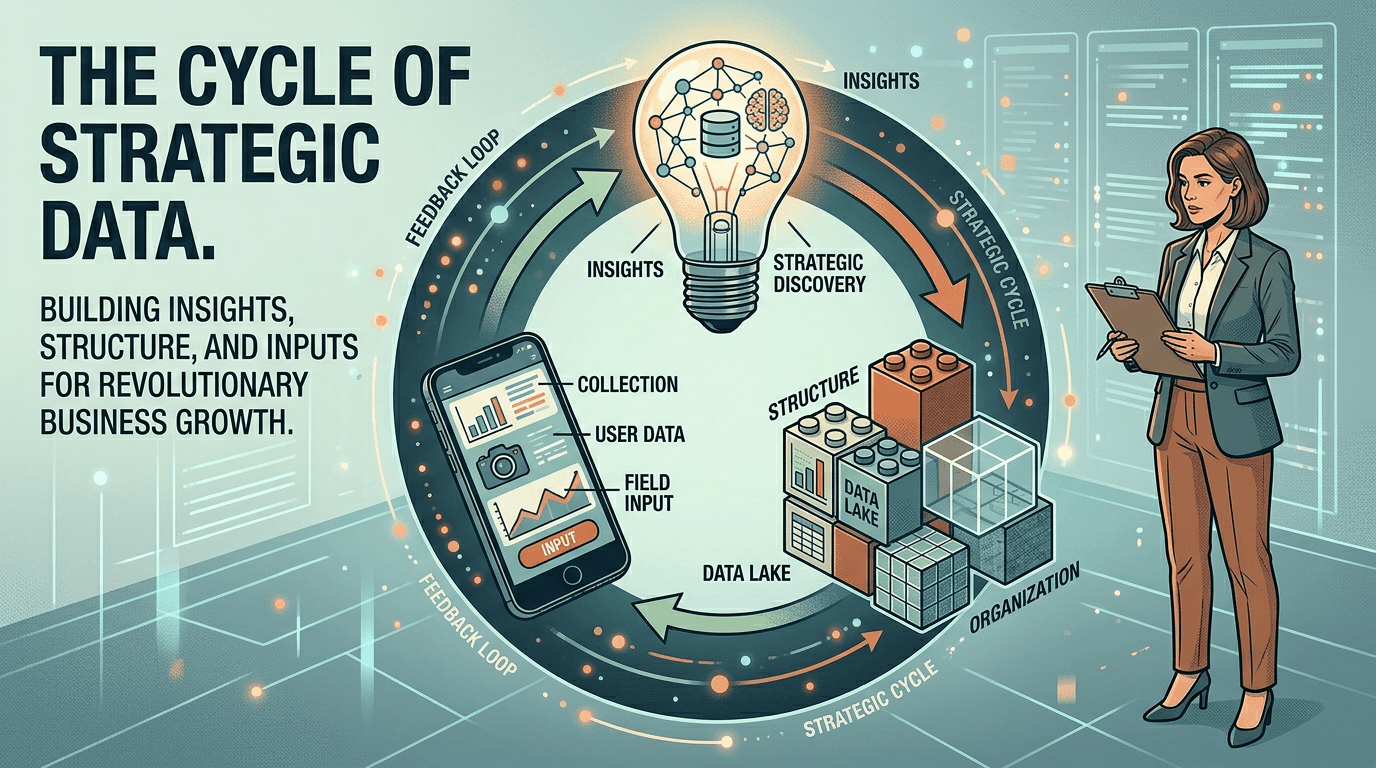
Data science roles in tech businesses fall into three categories:
Insights: Using data science to understand users, products and businesses.
Product: Using data science to test and optimize a product or feature.
Engineering: Building models and data, which are then integrated into product features or used by other stakeholders in the organization.
These approaches can be very different in practice, requiring different tools, expertise, and operational processes. Nonetheless, businesses are only starting to differentiate these forms of data science. By properly differentiating these roles, businesses can more effectively hire, cultivate, and retain data science talent.
Key Differences
In this article, we will discuss the differences between Insights, Product, and Engineering data science. Below is a summary of the key differences viewed through the following dimensions:
Purpose: What is the fundamental role of the data scientist? What stakeholders do they partner with? How do they provide value to the organization?
Deliverables: What types of outputs do they produce?
Stakeholders: Who are the primary users of their work?
Insights Data Science
Purpose: Insights teams use data to understand the business, users, and competitive landscape. They answer "why" questions and provide strategic guidance.
Deliverables: Reports, dashboards, analyses, and strategic recommendations.
Stakeholders: Executives, product leaders, marketing teams, and strategic decision-makers.
Example: A data scientist in the Insights team conducts an analysis of customer churn patterns, identifies that customers in a specific segment are most at-risk, and recommends a retention strategy for that segment.
Product Data Science
Purpose: Product data scientists optimize product experiences through experimentation and testing. They work directly with product teams to improve metrics.
Deliverables: A/B test designs and results, feature impact assessments, user behavior analyses, optimization recommendations.
Stakeholders: Product managers, engineers, designers, and customer success teams.
Example: A product data scientist designs and analyzes an A/B test of a new checkout flow, demonstrating that it increases conversion rate by 8% and recommending a full launch.
Engineering Data Science
Purpose: Engineering data scientists build data infrastructure and machine learning models that power product features or enable analytics at scale.
Deliverables: ML models, data pipelines, scalable analytics systems, and APIs.
Stakeholders: Product engineers, other data scientists, and product teams.
Example: An engineering data scientist builds a recommendation engine that personalized product suggestions, which is then integrated into the product and increases customer engagement by 15%.
Why Differentiation Matters
Proper differentiation of these roles allows organizations to:
Hire the right talent: Each role requires different skills and backgrounds. Insights roles benefit from business acumen; Product roles benefit from experimental design expertise; Engineering roles benefit from software engineering skills.
Manage expectations: Clear role definitions help stakeholders understand what to expect from each type of data scientist.
Create career paths: Data scientists can specialize and develop deeper expertise in their area, or move between areas as their interests and skills evolve.
Maximize impact: By aligning data scientists with the right problems and stakeholders, organizations can ensure their work drives meaningful business value.
Conclusion
As data science continues to mature as a discipline, organizations that properly differentiate between Insights, Product, and Engineering data science will be better positioned to build high-performing teams and realize greater value from their data. Understanding these distinctions will help you recruit the right talent, structure your team effectively, and maximize the impact of your data science investments.
The Data Strategist helps startups and scaleups become data-driven. Get a data scientist on-demand, or advice on building your analytical data stack.